Polyester is one of the most widely used textile materials in the world, found in clothing, home furnishings, industrial fabrics, and technical applications. Despite its popularity, many consumers and buyers still ask a fundamental question: is polyester a synthetic fiber?
To answer this clearly, it is essential to understand how synthetic fibers are defined, how polyester is produced, and how it differs from natural fibers.
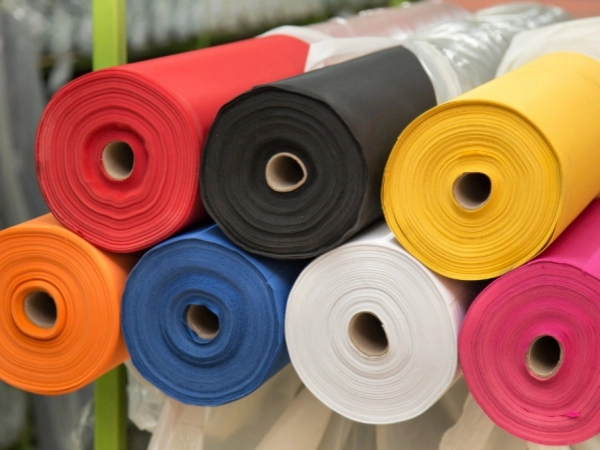
A synthetic fiber is a man-made fiber produced through chemical synthesis rather than harvested from natural sources such as plants or animals. Unlike natural fibers, which exist in nature in fibrous form, synthetic fibers are engineered by humans using polymers created through chemical reactions.
Key characteristics of synthetic fibers include:
Man-made origin: Produced through industrial chemical processes
Polymer-based structure: Composed of long-chain molecules designed for specific performance
Controlled properties: Strength, elasticity, durability, and moisture resistance can be engineered
Consistency: Uniform quality and predictable behavior across large-scale production
Common synthetic fibers include polyester, nylon, acrylic, spandex, and polypropylene. These materials are essential to modern textile manufacturing because they offer performance characteristics that natural fibers alone often cannot achieve.
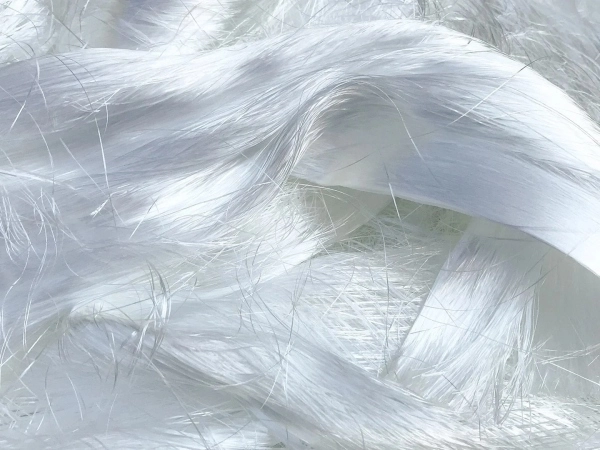
Yes, polyester is unequivocally a synthetic fiber.
Polyester is manufactured from synthetic polymers, most commonly polyethylene terephthalate (PET). This polymer is created through a chemical reaction between purified terephthalic acid (PTA) and ethylene glycol, both of which are derived primarily from petroleum-based raw materials.
Because polyester:
Is chemically synthesized
Does not occur naturally in fibrous form
Is engineered at the molecular level
it fully meets the technical and industrial definition of a synthetic fiber.
In the textile industry, polyester is often categorized as a fully synthetic fiber, distinguishing it from semi-synthetic fibers such as viscose or modal, which are derived from natural cellulose but heavily chemically processed.
Understanding the differences between polyester and natural fibers helps explain why polyester is classified as synthetic and why it performs differently in real-world applications.
• Polyester: Derived from petrochemicals and produced through polymerization
• Natural fibers: Obtained directly from plants (cotton, linen) or animals (wool, silk)
• Polyester fibers offer high tensile strength, excellent wrinkle resistance, and dimensional stability.
• Natural fibers generally provide better breathability and natural moisture absorption, but may wrinkle, shrink, or degrade faster.
• Polyester is highly durable, resistant to abrasion, mildew, and many chemicals.
• Natural fibers are often more sensitive to moisture, heat, and biological degradation.
• Polyester benefits from large-scale industrial production, making it cost-effective and widely available.
• Natural fibers are subject to agricultural conditions, seasonal variations, and higher production costs.
These differences explain why polyester is frequently blended with natural fibers to balance comfort and performance in modern textiles.
The production process of polyester further confirms its synthetic nature. Polyester manufacturing involves several controlled industrial steps:
Purified terephthalic acid (PTA) reacts with ethylene glycol under high temperature to form molten polyester polymer.
The molten polymer is extruded through spinnerets to form continuous filaments.
The filaments cool and solidify into long synthetic fibers.
Fibers are stretched to improve strength and may be textured to add softness or elasticity.
The fibers are either cut into staple fibers or wound as continuous filament yarns.
This fully controlled chemical and mechanical process allows manufacturers to tailor polyester fibers for specific applications, from apparel to industrial and technical textiles.
Recycled polyester, commonly known as rPET, is produced by reprocessing used plastic products such as PET bottles or discarded polyester textiles. While its source material is recycled, recycled polyester remains a synthetic fiber.
The key reasons include:
• The polymer structure of rPET is chemically identical to virgin polyester
• The recycling process involves melting and re-extruding synthetic polymers
• The fiber does not revert to a natural or biologically produced state
However, recycled polyester offers notable environmental advantages, such as reduced reliance on virgin petrochemicals and lower energy consumption during production. From a materials science perspective, though, it remains firmly classified as a synthetic fiber.
Polyester is undeniably a synthetic fiber, defined by its chemical composition, industrial production process, and engineered performance characteristics. Whether produced from virgin petrochemicals or recycled materials, polyester fibers are man-made polymers designed to meet the demands of modern textile applications. Understanding this distinction helps manufacturers, buyers, and consumers make informed decisions when selecting fabrics for performance, durability, and sustainability.