Polyester fiber and ball fiber are two widely used synthetic filling materials in the textile and bedding industry. Polyester fiber refers to linear or staple fibers produced from polyethylene terephthalate (PET), known for durability, light weight, and easy processing. It is commonly used in pillows, cushions, mattresses, and furniture padding.
Ball fiber, also called hollow fiber balls, is made by winding polyester strands into small spherical shapes. The unique three-dimensional hollow structure allows it to trap air, providing higher loft, elasticity, and softness. Ball fiber is often applied in high-end bedding, plush toys, and decorative cushions where a soft, resilient feel is desired.
The fundamental difference lies in structure and performance: polyester fiber is linear and dense, while ball fiber is spherical and hollow, giving it distinct mechanical and comfort properties.
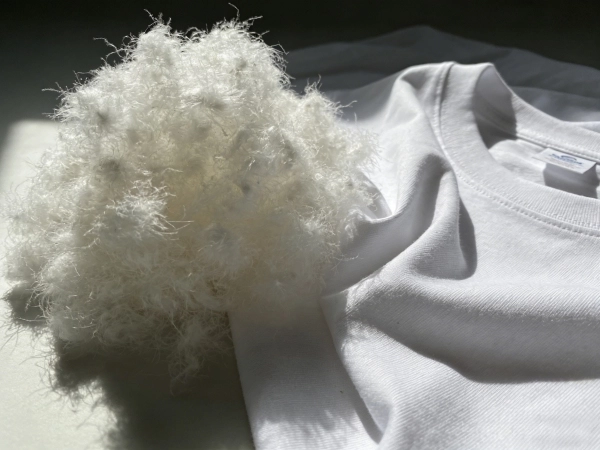
The composition of both materials is primarily polyester, but the structural design leads to very different performance characteristics.
• Linear fibers, available in various lengths and deniers.
• Can be solid or hollow (less common) but generally dense and uniform.
• Provides moderate loft and support, suitable for products that require stable shape and firmness.
• Hollow, spherical fibers formed by looping or winding polyester strands.
• The hollow space inside improves insulation and reduces weight.
• High loft and resilience make it ideal for soft and fluffy products.
The structural difference affects how the fibers compress and rebound, their heat retention, and their tactile experience. While both are synthetic polyester, ball fiber’s 3D structure creates a more “springy” feel, which is preferred in premium bedding and plush applications.
Elasticity and shape retention are crucial for bedding, cushions, and plush toys.
• Provides moderate elasticity and firm support.
• Retains shape over time but can compress or flatten with prolonged use.
• Suitable for products needing stable structure, such as mattresses, chair cushions, and industrial padding.
• Highly elastic due to the independent spherical fibers.
• Compresses under pressure and quickly rebounds, maintaining loft over long-term use.
• Ideal for soft pillows, comforters, and plush toys where softness and cushioning are key.
Ball fiber’s unique structure allows for better shape retention under repeated compression, reducing the need for frequent fluffing compared to linear polyester fibers.
Comfort is not only about softness but also air circulation and moisture management.
• Densely packed fibers can restrict airflow.
• Hand feel can be firmer, sometimes less airy.
• Provides adequate insulation but may feel warm in heavy bedding.
• Hollow structure allows airflow through fiber balls.
• Feels soft and resilient, enhancing user comfort.
• Better moisture management and cooling effect in bedding applications.
In practice, ball fiber excels in hand feel and breathability, making it preferred for products where comfort and softness are a selling point. Polyester fiber, while durable and cost-effective, may not offer the same premium tactile experience.