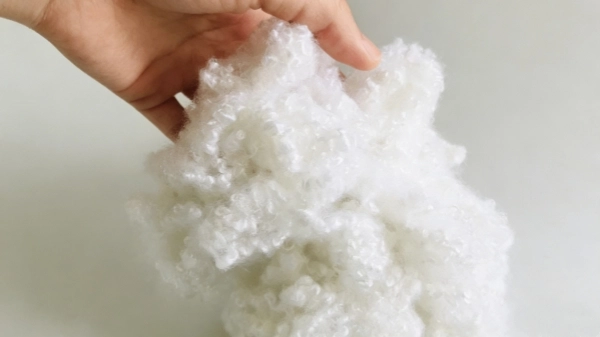
Polyester fiber is one of the most commonly used synthetic fibers in the world. It's made from petrochemical derivatives, specifically a polymer called polyethylene terephthalate (PET). The manufacturing process involves polymerizing ethylene glycol and terephthalic acid under high heat to create a substance that can be spun into fibers. These fibers are versatile, durable, and inexpensive, making them a popular choice in everything from clothing to home furnishings.
However, the very qualities that make polyester a go-to material in the textile industry—its strength, stain resistance, and ability to retain its shape—are the same factors that contribute to concerns about its long-term environmental impact and potential health risks.
When it comes to clothing, polyester is a staple in both fashion and performance wear. It's often blended with cotton to combine the softness of natural fibers with the durability and wrinkle resistance of synthetics. But what about the potential risks of wearing polyester?
The main concern with polyester clothing revolves around the chemicals used in its production. While polyester itself is generally safe, the dyeing and finishing processes often involve harsh chemicals, some of which can leach into the fabric. These chemicals may be absorbed through the skin, leading to concerns about skin irritation and long-term exposure.
That said, polyester has many benefits, especially for active wear. It’s moisture-wicking, lightweight, and resistant to shrinking and stretching. For those who suffer from allergies or sensitivities, choosing high-quality polyester or those labeled as "eco-friendly" or "chemical-free" can mitigate many of these issues.
The toxicity of polyester fiber isn't necessarily tied to the fiber itself, but to the chemicals and additives used in its production. Some studies have linked prolonged exposure to certain chemicals used in polyester manufacturing with skin irritation and other allergic reactions. While polyester is not typically considered hazardous, the toxic effects can arise from synthetic dyes, flame retardants, and other chemicals applied to the fabric.
Individuals with sensitive skin may experience reactions like rashes or eczema from wearing polyester clothing, especially if it has been treated with harsh chemicals. Additionally, polyester is not breathable, which can lead to sweating and irritation, further exacerbating skin conditions. However, most of these effects are mild and can be minimized by choosing high-quality, untreated fabrics.
For those concerned about long-term exposure, it’s also worth noting that polyester is a plastic-based material, and some people have raised concerns about the potential release of microplastics when washing polyester garments. These microplastics can enter the environment and eventually make their way into our water supply, posing an environmental risk.
Allergic reactions to polyester are not uncommon, and those with known sensitivities to synthetic materials may be at a higher risk. The primary issue arises from the synthetic nature of the fiber, which doesn’t allow for the same breathability as natural fibers like cotton or wool. This can cause excessive sweating and an accumulation of bacteria, which can trigger allergic reactions in sensitive individuals.
In addition, the chemicals used to finish polyester fabrics—such as formaldehyde and other preservatives—can exacerbate allergic responses. Formaldehyde, in particular, is a known irritant and can cause skin rashes, breathing issues, and even more severe respiratory symptoms in some individuals. However, the risk of exposure to harmful chemicals can be reduced by opting for polyester fabrics that are certified as free from harmful chemicals, such as those with OEKO-TEX certification.
Experts generally agree that polyester itself is not inherently toxic, but there are valid concerns regarding the environmental and health impact of the chemicals used in its production and finishing processes. Studies have shown that some of the toxic chemicals used in polyester production can be harmful when absorbed through the skin or inhaled, but the levels of exposure from wearing polyester garments are usually low.
In terms of health concerns, the most significant risks come from the additives used to process polyester, not the fiber itself. According to experts in the textile and environmental industries, choosing high-quality polyester that adheres to safety regulations can reduce the risk of toxicity and skin irritation. Additionally, the widespread concern over microplastic pollution, caused by polyester garments shedding fibers during washing, has prompted many brands to look for sustainable alternatives.
While polyester is unlikely to cause serious health problems in most people, it is always best to be mindful of your body’s reaction to synthetic fabrics. If you experience discomfort or irritation, it might be worth switching to natural or eco-friendly fibers that are gentler on the skin.
Polyester fiber is one of the most versatile and widely used materials in the textile industry. While it is generally considered safe, concerns about its environmental impact and potential health risks persist. The key to minimizing these risks lies in choosing high-quality, responsibly produced polyester that is free from harmful chemicals and additives. If you're sensitive to synthetic fibers, it's important to listen to your body and opt for fabrics that are gentle on your skin. As the demand for eco-friendly and sustainable materials grows, the future of polyester will likely be shaped by these concerns, leading to safer, more sustainable alternatives.