Polyester fiber surrounds us more than we realize—inside clothing, home furnishings, car interiors, and even industrial fabrics. Understanding whether this wildly popular material can be recycled isn’t just a technical question. It’s something that matters to consumers, brands, and recyclers who want to reduce waste without sacrificing performance.
The good news? Polyester fiber is recyclable, and it plays an increasingly large role in the global push toward circular textiles.
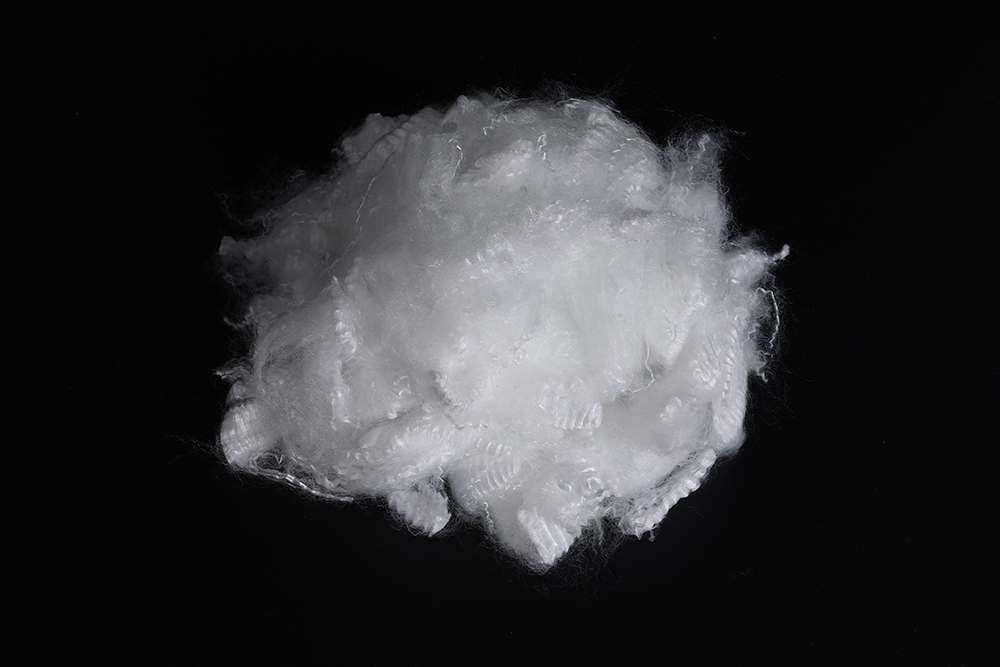
Yes. Polyester fiber, which is mainly made from PET (polyethylene terephthalate), is one of the few synthetic textiles that can be recycled again and again through both mechanical and chemical methods.
This allows polyester waste to be transformed into recycled polyester (rPET), a material commonly used to produce new apparel, carpets, insulation, and even packaging.
Unlike natural fibers that degrade through recycling, polyester maintains much of its strength and durability after processing. That means recycled polyester isn’t a “downgraded” version; it often performs almost like virgin polyester.
The value of recycled polyester fiber varies by region and purity, but recycling-grade polyester fiber typically sells for around USD $300–$800 per ton, depending on:
☞ contamination level
☞ fiber length and cleanliness
☞ whether the material is color-sorted
☞ local recycling demand
Clean, white, sorted polyester fiber scrap—especially industrial offcuts—often receives a higher price, because recyclers can convert it into high-quality rPET pellets with less processing cost.
For individuals or small businesses wondering whether polyester fiber waste has resale value, the answer is yes. Clean polyester waste is considered a valuable feedstock, especially at a time when global brands are pledging to increase the percentage of recycled content in textiles.
Polyester’s recyclability stems from its thermoplastic nature. When heated, polyester melts without burning, allowing it to be reshaped or re-extruded into new fibers. This unique property makes it more sustainable than many believe.
Other reasons polyester excels in recycling:
Stable molecular structure – PET retains strength even after reprocessing.
Low degradation rate – it doesn’t break down like cotton or wool during recycling.
Compatibility with modern recycling lines – especially bottle-to-fiber and fiber-to-fiber technologies.
Widespread demand for rPET – driven by fashion, automotive, and packaging industries.
In other words, polyester isn’t just recyclable—it’s highly recyclable when handled correctly.
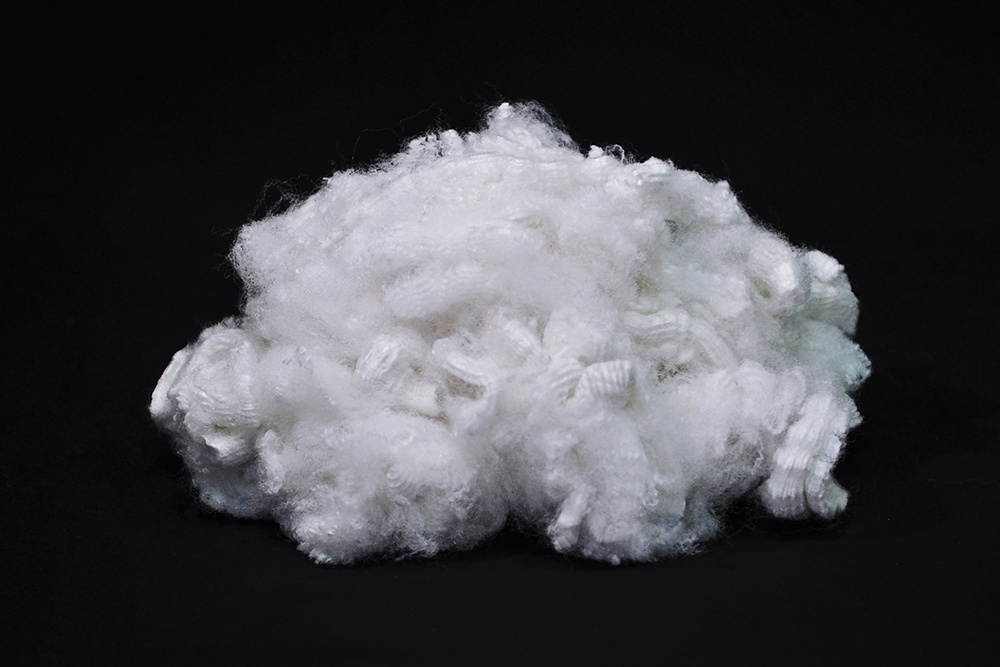
Not all polyester waste is ready to enter the recycling stream. Recyclers typically follow a set of standards to determine whether polyester fiber is “recycling-grade.”
Polyester must be free from:
● heavy dirt
● oils or lubricants
● mixed fibers (like cotton blends)
● metal zippers, elastics, and trims
Contaminants interfere with melting and re-extrusion.
Recycling-grade polyester should ideally contain 90–100% PET. Blended fabrics have lower recycling value unless the recycler is equipped for advanced separation technologies.
White or light-colored polyester is the most desirable, as it produces high-quality rPET without heavy dye removal.
Whether in the form of cut fiber, yarn waste, fabric scraps, or post-consumer textiles, uniformity greatly improves recycling efficiency.
Meeting these standards ensures the final rPET product remains strong, reliable, and suitable for high-performance applications.
Recycling polyester does far more than reduce landfill waste—it cuts emissions, saves energy, and supports a more circular economy.
Some key benefits include:
1. Reduced dependence on petroleum, the raw material used to make virgin polyester.
2. Lower carbon emissions, with recycled polyester producing up to 50–70% less CO₂ compared to virgin PET.
3. Less water and energy consumption, since producing rPET requires significantly fewer resources.
4. Extended material life, enabling polyester to be reused rather than discarded.
5. Support for sustainable product lines, giving brands a real alternative to virgin plastics.
For consumers who care about sustainability, choosing recycled polyester products is a tangible way to reduce environmental impact without sacrificing performance. If you have want to sell polyester fibers or have any needs for buying recycled polyester staple fiber, please feel free to contact us.