Polyester is one of the most widely used textile fibers in the world, appearing in everything from everyday clothing to industrial fabrics. Despite its popularity, a common question continues to surface among consumers and buyers alike: is polyester a natural fiber? To answer this clearly, it is necessary to understand how fibers are classified, where polyester comes from, and how it fundamentally differs from natural fibers.
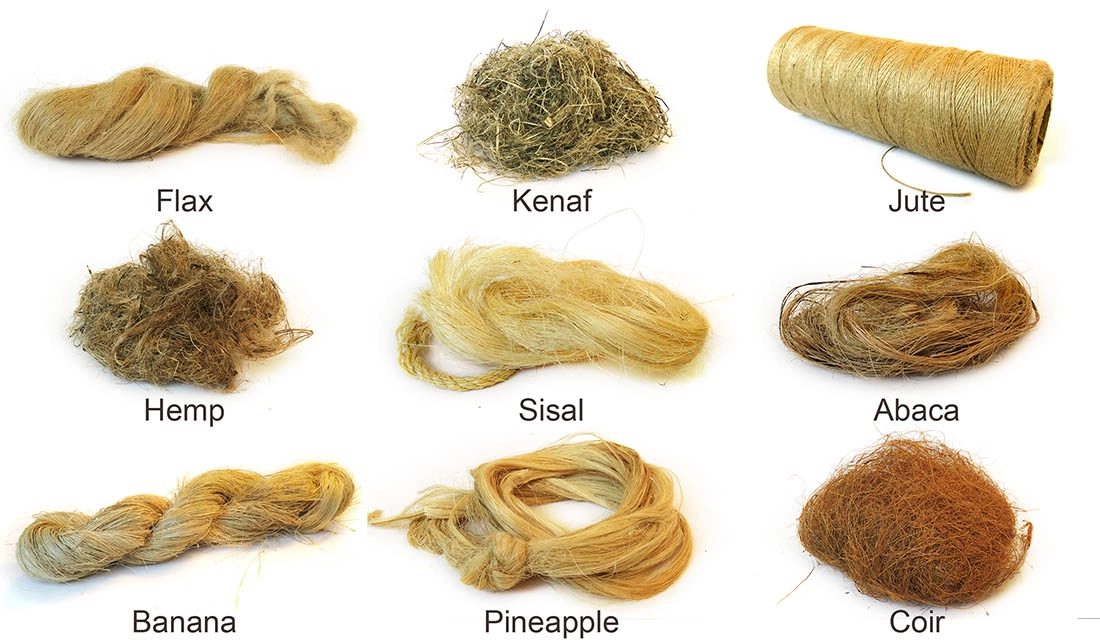
A natural fiber is defined as a textile fiber that is obtained directly from plants, animals, or minerals with minimal chemical transformation. These fibers exist in nature in a fibrous form and can be processed into yarns and fabrics primarily through mechanical means.
Common examples of natural fibers include:
• Cotton, derived from cotton plant bolls
• Wool, obtained from sheep and other animals
• Silk, produced by silkworms
• Linen, made from flax plant fibers
Natural fibers are generally valued for their breathability, biodegradability, and long-standing use in traditional textiles. However, their natural origin also means they are more susceptible to moisture, insects, UV degradation, and dimensional instability.
Polyester is a synthetic fiber, meaning it is entirely man-made rather than sourced directly from nature. Chemically, most polyester fibers used in textiles are made from polyethylene terephthalate (PET), the same polymer family used in plastic bottles and food packaging.
Unlike natural fibers, polyester does not exist in a fibrous form in nature. Instead, it is created through industrial chemical processes that convert raw materials into long-chain polymers, which are then spun into fibers. This engineered structure allows polyester to deliver consistent quality, high strength, and predictable performance across a wide range of applications.
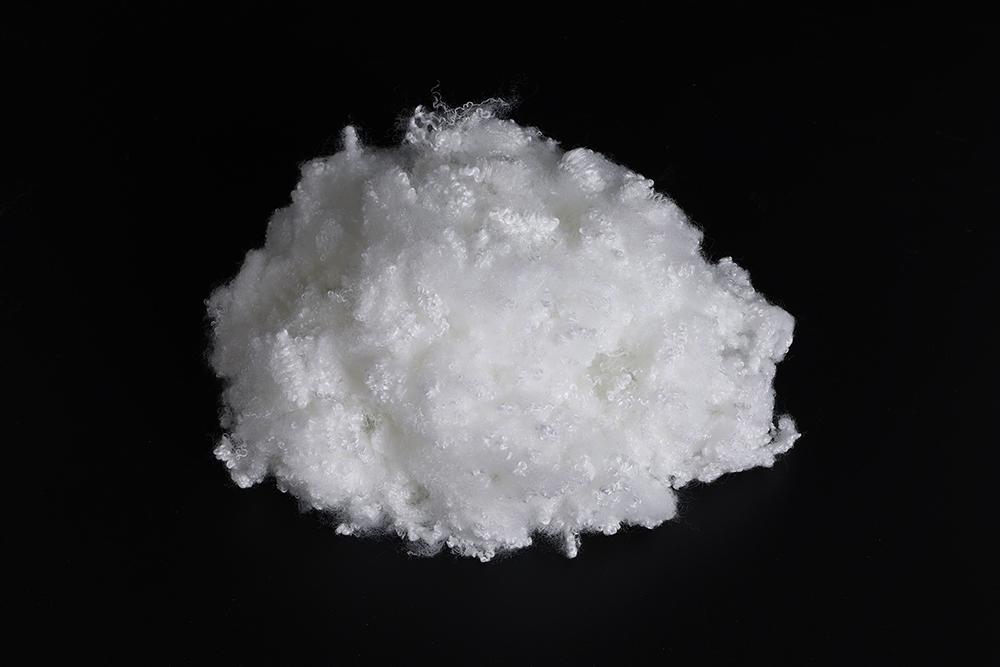
From a scientific and textile-industry standpoint, polyester is not a natural fiber. It is classified as a synthetic fiber due to both its origin and its method of production.
The key reasons polyester is considered synthetic include:
• It is chemically synthesized, not harvested
• Its base materials are petrochemical-derived monomers
• The fiber structure is created through polymerization and melt spinning
Even when polyester is marketed as “eco” or “recycled,” its classification does not change. Recycled polyester is still a synthetic fiber; it is simply produced using reclaimed plastic materials instead of virgin raw inputs.
Traditional polyester is derived primarily from petroleum-based resources, specifically crude oil and natural gas. These fossil fuels are refined into chemical intermediates, such as ethylene glycol and terephthalic acid, which are then polymerized to form PET.
The process involves:
• Refining petroleum into chemical feedstocks
• Polymerizing monomers into polyester resin
• Melting the resin and extruding it through spinnerets
• Cooling and stretching the filaments to create fibers
In recent years, alternative sources have emerged, including recycled polyester (rPET) made from post-consumer plastic bottles and bio-based polyester, which partially replaces petroleum inputs with plant-derived materials. However, even bio-based polyester remains chemically synthesized and therefore synthetic.
The differences between polyester and natural fibers are rooted in both origin and performance characteristics.
Source: Polyester is synthetic; natural fibers come directly from plants or animals
Structure: Polyester has a uniform, engineered molecular structure; natural fibers vary naturally
Biodegradability: Most natural fibers biodegrade more easily than polyester
• High tensile strength and abrasion resistance
• Excellent dimensional stability and wrinkle resistance
• Low moisture absorption and fast drying
• Strong resistance to chemicals, mildew, and UV exposure
These properties explain why polyester is widely used in sportswear, outdoor textiles, industrial fabrics, automotive interiors, and protective materials, where durability and consistency are critical.
The clear and accurate answer is no. Polyester is not a natural fiber; it is a fully synthetic textile material produced through chemical processes. While it may sometimes resemble natural fibers in appearance or comfort—especially when blended with cotton or wool—its origin and classification remain fundamentally different.
Understanding this distinction helps buyers and consumers make informed decisions based on performance needs, sustainability goals, and end-use requirements. Rather than viewing “synthetic” as inherently negative, polyester should be recognized for what it is: an engineered fiber designed to meet modern textile demands that natural fibers alone cannot always fulfill.