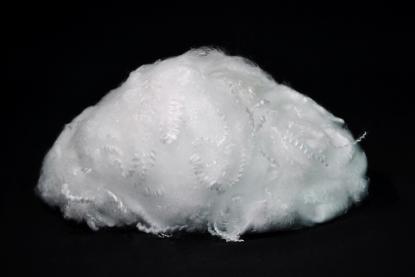

Spec: 4D*51mm
Breaking tenacity(cN/dtex): 3.6
Elongation at break(%): 43
Melting range(℃): 110
Defective fiber content(mg/kg): ≤200
Double length fiber content(mg/kg): ≤30
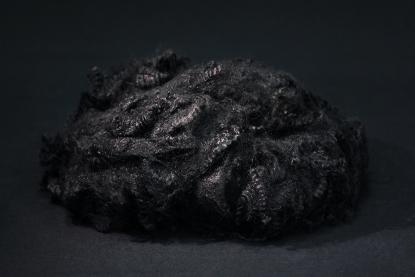
Spec: 4D*51mm
Breaking tenacity(cN/dtex): 3.6
Elongation at break(%): 43
Melting range(℃): 110
Defective fiber content(mg/kg): ≤200
Double length fiber content(mg/kg): ≤30
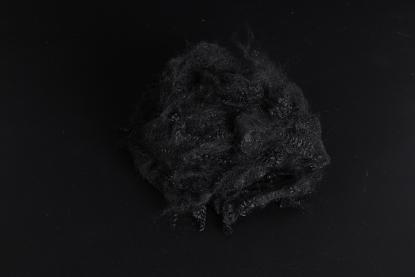
Spec: 4D*51mm
Breaking tenacity(cN/dtex): 3.6
Elongation at break(%): 43
Melting range(℃): 110
Defective fiber content(mg/kg): ≤200
Double length fiber content(mg/kg): ≤30
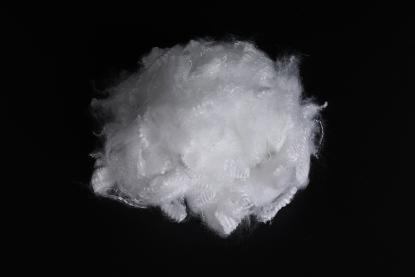
Spec: 4D*51mm
Breaking tenacity(cN/dtex): 3.6
Elongation at break(%): 43
Melting range(℃): 110
Defective fiber content(mg/kg): ≤200
Double length fiber content(mg/kg): ≤30
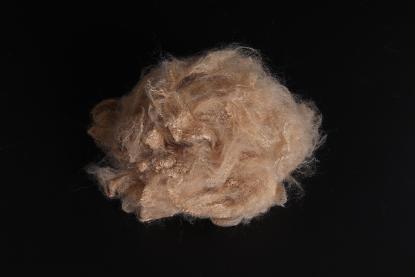
Spec: 4D*51mm
Breaking tenacity(cN/dtex): 3.6
Elongation at break(%): 43
Melting range(℃): 110
Defective fiber content(mg/kg): ≤200
Double length fiber content(mg/kg): ≤30
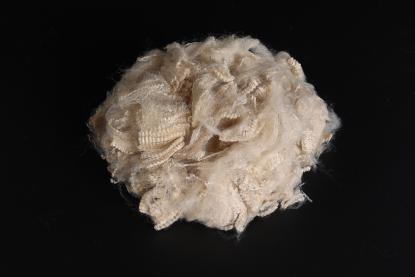
Spec: 4D*51mm
Breaking tenacity(cN/dtex): 3.6
Elongation at break(%): 43
Melting range(℃): 110
Defective fiber content(mg/kg): ≤200
Double length fiber content(mg/kg): ≤30
Low melt polyester staple fiber is a type of fiber that melts at relatively low temperatures (typically 110–130°C), typically featuring a bi-component structure consisting of a sheath and a core. The sheath is made of Co-PET, while the core is PET.
When heated, the sheath melts first, forming a “glue” that bonds with other fibers to create bonding points. The core retains its fiber shape, maintaining strength and structure, thereby serving to reinforce and stabilize the fiber.
It achieves bonding at low temperatures, saving energy for factories.
The low-temperature molten sheath securely locks fibers together, enhancing structural stability and eliminating the need for glue.
Requiring no additional adhesives, it features lower VOC emissions and is more easily recyclable.
It can be blended with various fibers, including PET, PP, and viscose.
Commonly used in materials requiring “dimensionality, elasticity, and support.”
Traditional nonwoven fabrics primarily bind fibers together through physical methods rather than thermal or chemical bonding. The main methods include needle-punch (repeatedly piercing fibers with needles to entangle them) and spunlace (using high-pressure water jets to entangle and interlock fibers). These techniques essentially rely on physical force to entangle fibers, but without thermal bonding points, the structure is relatively less stable.
Nevertheless, low melt fiber simplifies nonwoven fabric production while reducing costs. It enhances fluffiness, resilience, and three-dimensional structure, making it highly popular in hot-air nonwoven applications. Furthermore, the nonwoven industry increasingly prioritizes environmental sustainability. Low melt fiber eliminates the need for chemical adhesives, offering greater safety and reducing material contamination.